|
|
ALTERED BEAST
King / PC-CARD
Here is a perfect example, I believe, of a pirate game released for the PC-BOY System.
This console was a PC Engine clone shaped like a standard Shuttle and was most
probably released in Hong Kong. The console could play standard HuCards but also custom
card games usually tagged as Pc Cards. This particular Altered Beast is one of those cards.
|
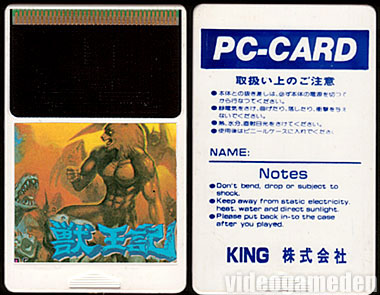
They look similar to a traditional Hucard, only the picture on the label is usually
zoomed-in so copyright information wouldn't show up. But most of the time,
images on those cards are directly 'copied' from the game's art cover. The back
of the Hucard clearly shows the name PC Card. Games like this one came boxed
with Chinese instructions. The game looks identical to the original Rom, even Sega's
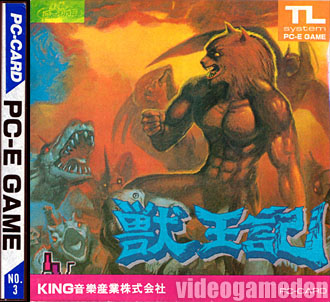
copyrights are still there. Like most of the PC-Boy games, the back of the box shows
the same Serial number, TL89003.
I'm not sure what this serial number stands
for, but something is sure, it is the same number that can be found on many
PC-CARD games, including the unusual 4-in-1 series.
Altered Beast is also interesting for other kind of
logos scattered around the packaging such as TL System PC-E GAME which can
be found on the top-right corner of the cover, or the PC-CARD TH System found
at the back of the box. I personally think all those names are fake and
just there to make the product look more interesting and 'believable'.
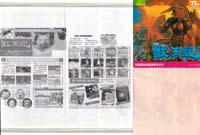
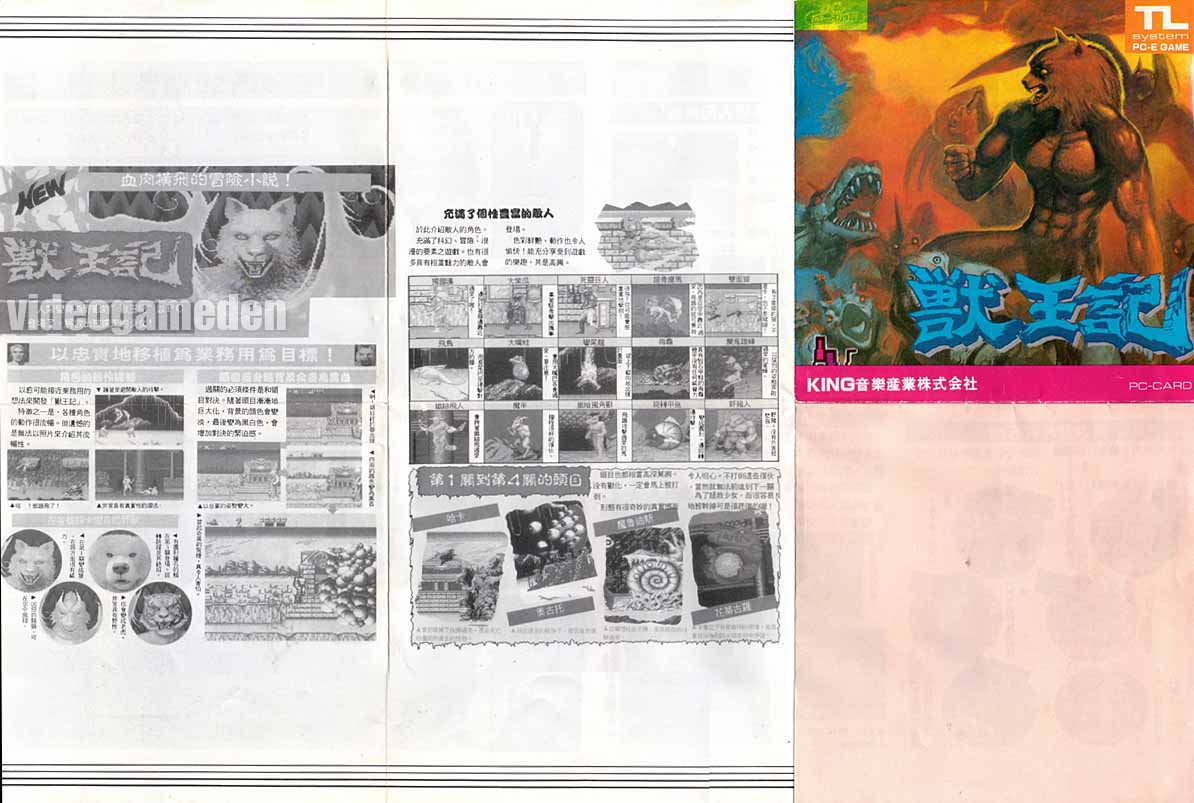
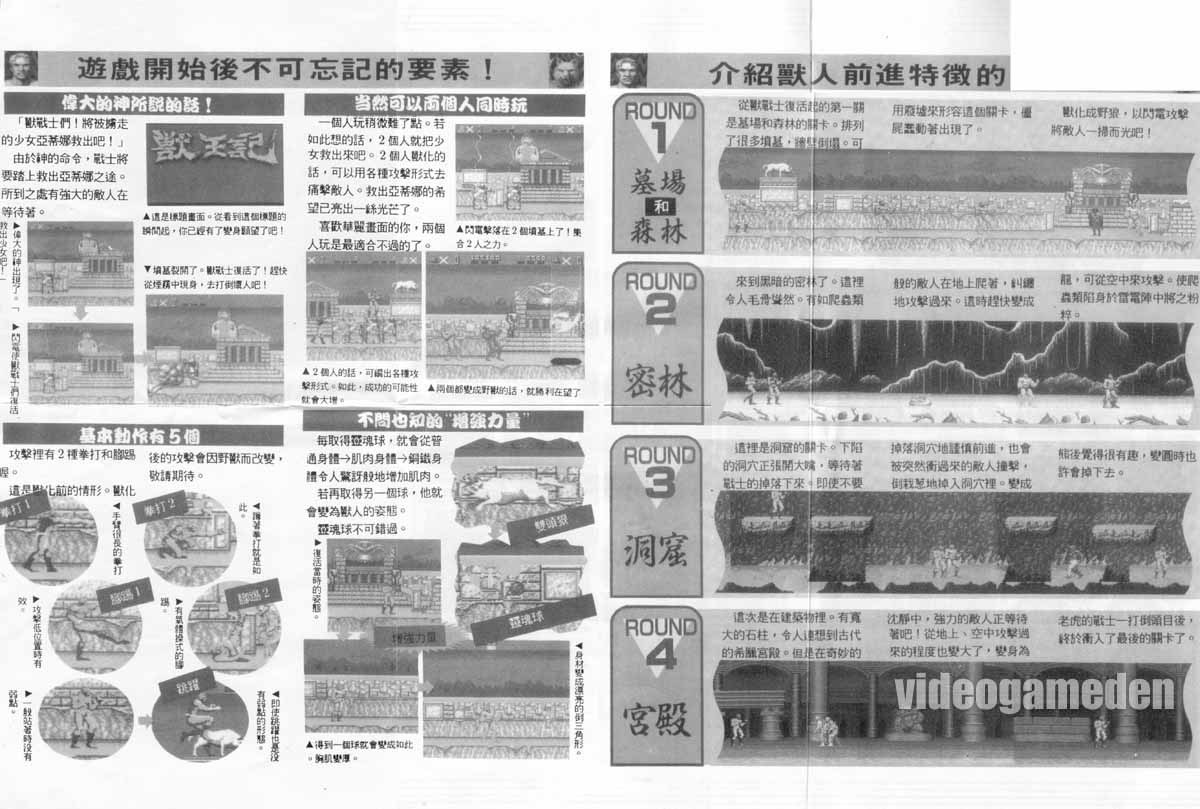
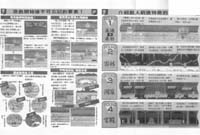 The folded manual, front and back (click to enlarge)
|
King's games usually came with a large folded manual which included
the game's cover. The other side contains all the game
instructions (in chinese) borrowed from the original manual.
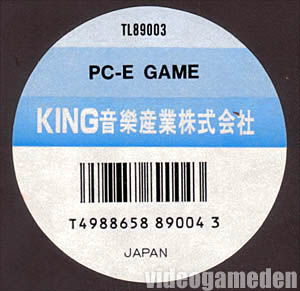 King is a name found on many PC-Boy pirate games The Chinese text
next to the logo says something like "Music Manufacturer Public Company"
(Thanks Jin for helping me on this). Curiously, the last Kanjis
are not written as ordinary Chinese Kanjis. Instead, they are written
in a 'Japanese way'. A Japanese friend told me it was not
uncommon for Chinese companies to use japanese letterings to make their
product look and feel more appealing, hence the JAPAN word
as shows on the picture. This marketing strategy is also
very common in Europe and Japan, where products are covered with
English words and phrases ( Many of which make absolutely no sense
and always amuse English speaking tourists ).
King is a name found on many PC-Boy pirate games The Chinese text
next to the logo says something like "Music Manufacturer Public Company"
(Thanks Jin for helping me on this). Curiously, the last Kanjis
are not written as ordinary Chinese Kanjis. Instead, they are written
in a 'Japanese way'. A Japanese friend told me it was not
uncommon for Chinese companies to use japanese letterings to make their
product look and feel more appealing, hence the JAPAN word
as shows on the picture. This marketing strategy is also
very common in Europe and Japan, where products are covered with
English words and phrases ( Many of which make absolutely no sense
and always amuse English speaking tourists ).

|
|
|